
In this article
- Get an agent before you need one
- What leading property advice gets right
- Fix, refresh or leave? Work through these decisions
- Prepare the home buyers will actually walk through
- Make the preparation fit your Ipswich property
- Agree on the spending limit before the shopping list
- A simple timeline, even if you are months away
- Call me before you start the work
Thinking of selling your Ipswich home? Speak to an agent before you start spending on it. You do not need a freshly painted house, a finished renovation or a firm moving date to make that first call. Getting advice while you still have choices can help you decide which jobs deserve your money and which can wait.
My starting point is simple: walk through the property together, understand your plans and build a preparation list around the home you actually have. Whether you are moving in a few weeks or considering it in six months, call me before ordering the new kitchen.
Get an agent before you need one
It is easy to spend weekends fixing the things that bother you most. The more useful question is: what will matter to a buyer comparing your home with other homes they can inspect?
Before approving work, ask your agent to walk you through three things: comparable properties, the likely buyer for your home, and the presentation gaps worth addressing. An agent should explain the reasoning behind a recommendation. A list that says “renovate everything” is not a preparation strategy.
Bring your wish list, rough timing and a budget you are comfortable with. We can discuss what needs a trade assessment, what you can organise yourself, and what should stay on hold until the costs are clear. This is also the time to talk about your next move, especially if you are buying and selling at the same time.
What leading property advice gets right
There is a useful common thread in international and Australian guidance: assess the property before choosing the project. The US National Association of Realtors’ 2025 research distinguishes improvements owners enjoy from costs recovered on resale; it also identifies painting and roof work among agents’ common pre-sale recommendations. Those US findings are not an Ipswich price forecast. Read the NAR research summary.
Australian agency LJ Hooker similarly recommends assessing renovations against the local market and what likely buyers value. Read its renovation guidance. My practical application for Ipswich sellers is to choose a short, justified scope of work before choosing finishes or booking trades.
Fix, refresh or leave? Work through these decisions
A roof stain, damp patch or soft timber: investigate first
Find out what caused it before repainting. Ask the appropriate qualified professional to assess the problem, provide a scope and quote, and document any repair. A tidy surface is no substitute for resolving the cause. Keep the reports and invoices for your sale file.
A working but dated kitchen: discuss before replacing
Start by separating appearance from function. Broken hinges, damaged doors and a leaking tap are different decisions from a new benchtop or full kitchen. Ask whether cleaning and targeted repairs would present the room adequately, then compare that option with the cost, disruption and time of replacement. Buyers may prefer to choose their own renovation.
A bathroom that looks tired: clean, assess, then quote
Clean the surfaces and inspect fittings. Persistent mould, leaks or damaged materials need assessment; do not simply cover them. For a functional bathroom, get advice before changing tiles or moving plumbing just to modernise its appearance.
Marked walls and worn floors: target the actual problem
Clean first so you can see what genuinely needs work. If a wall needs painting, consider the whole visible surface—mismatched touch-ups can become the thing you notice. Compare carpet cleaning with replacement and ask a professional about the condition of timber floors before committing to sanding. Avoid replacing every floor because one room looks tired.
Small unfinished jobs: make a specific repair list
Check sticking doors, loose cupboard handles, damaged flyscreens and gates that will not latch. Write down the exact fault and who will fix it. Use qualified trades where needed, particularly for electrical, plumbing and structural work. Treat unsafe steps, railings or decking as assessment priorities.
A new pool, extension or full makeover: pause for a business case
Before a major project, compare selling in the current condition with selling after the work. Include quotes, approvals, contingency, disruption and the effect of delaying your move. Do not assume a dollar spent becomes an extra dollar in the sale price.
Prepare the home buyers will actually walk through
Follow the inspection route, rather than tackling random rooms. Start at the footpath, arrive at the front door, move through the living spaces and finish outdoors.
- The arrival: clear the path, tidy the garden, remove rubbish and make the entrance easy to find and use.
- The first room: remove excess furniture that blocks movement. Let the layout be obvious without an explanation.
- The everyday spaces: clear kitchen benches, clean windows and bathrooms, and deal with odours at their source. Avoid strong fragrances that try to mask a problem.
- The useful extras: make storage, parking and access to outdoor areas visible and accessible. A garage packed to the door is difficult to assess.
- The final walk-through: check lighting, doors and gates; secure private paperwork and valuables; then review the home before photography.
Make the preparation fit your Ipswich property
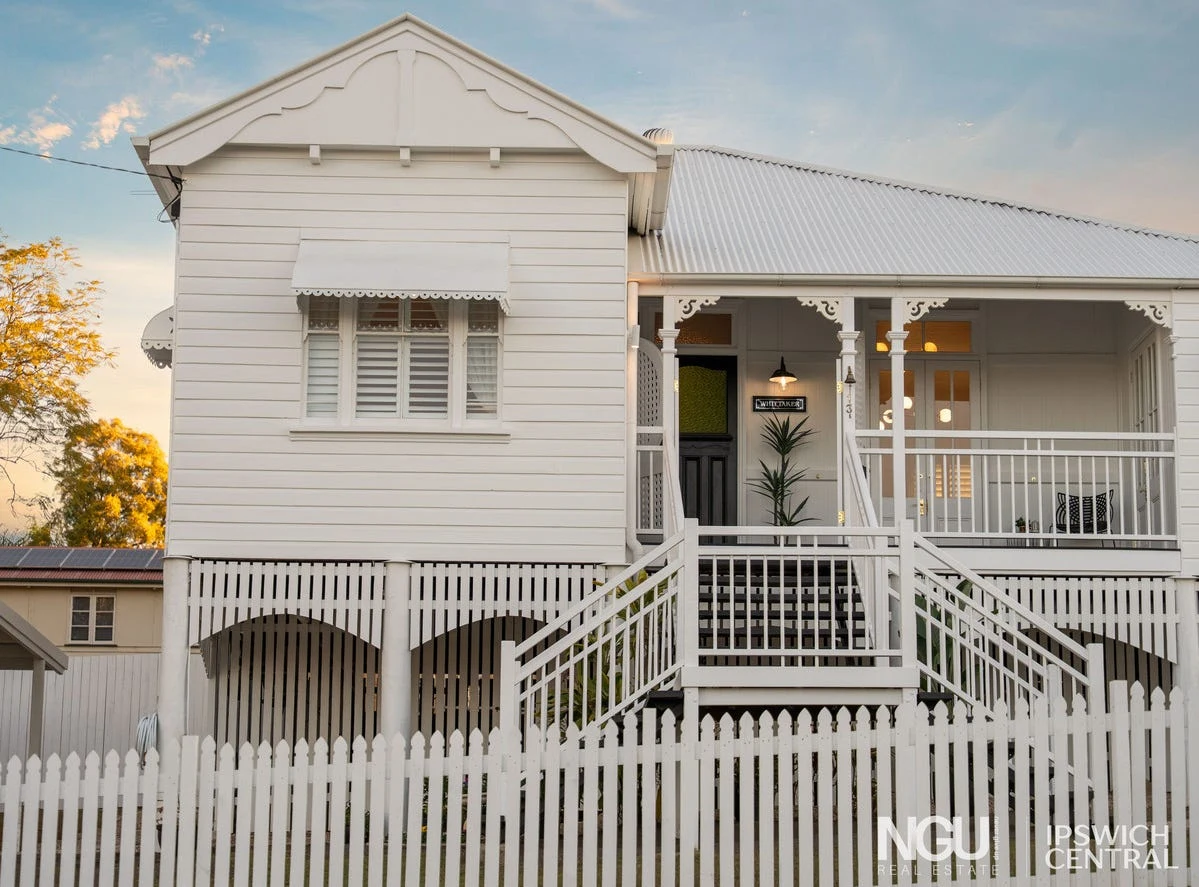
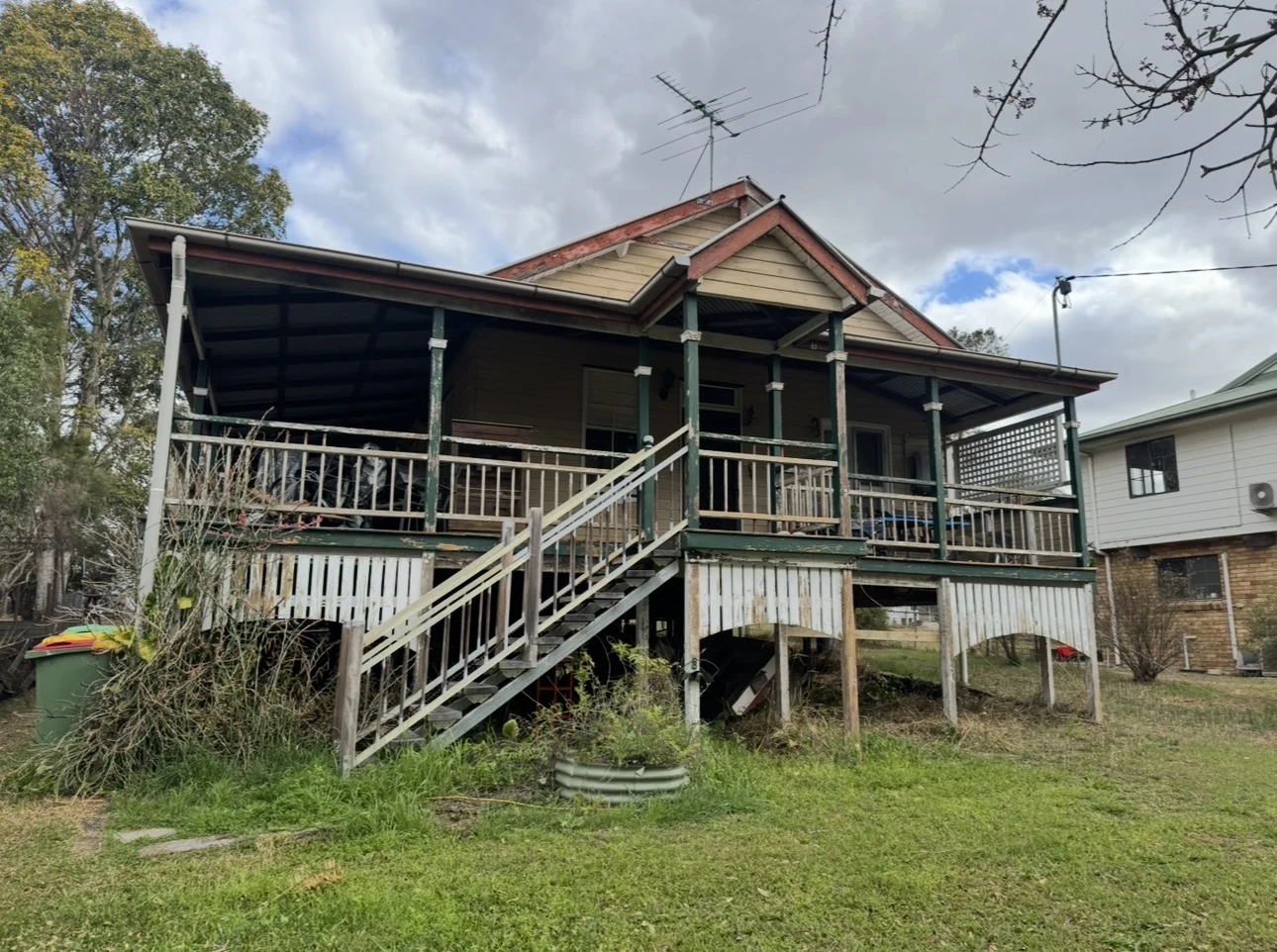
For a timber character home in North Ipswich or Marburg: start with the condition of stairs, handrails, verandas and exposed timber. Seek advice before removing original features or making alterations. Clear the veranda enough to show how it can be used.
For a family home in Brassall or Raceview: make bedrooms, living areas and the connection to the yard easy to understand. If an extra room is doing three jobs, give it a clear purpose for photographs and inspections. Discuss styling before buying new furniture.
For a larger block in the Lockyer Valley or Scenic Rim: plan safe access to the parts buyers should inspect, organise relevant information about the property’s features, and make maintenance needs clear. A usable shed or outdoor area should be easy to assess without guessing what is behind stored belongings.
These are starting points for a walk-through, not promises about what every buyer wants. You can explore local property examples in the North Ipswich, Brassall and Raceview guides.
Agree on the spending limit before the shopping list
For each proposed job, write down four things: the problem it solves, the quoted cost, the completion date and who is responsible. Separate essential repairs from optional presentation upgrades. Keep some room in the plan for an unexpected finding rather than committing every dollar upfront.
For example, a dated but functioning kitchen and a loose veranda railing should not compete for attention as if they are the same problem. Get the railing assessed, price the necessary work, then discuss the kitchen with your agent. The right outcome may be a smaller preparation plan.
A simple timeline, even if you are months away
- While you are considering selling: call Braydan, discuss your next move and arrange a property walk-through. No renovation needs to be finished first.
- Before spending: agree on priorities, obtain relevant trade advice and quotes, and decide which optional projects to leave.
- Before setting the launch date: confirm work and paperwork can be completed, then coordinate cleaning, any styling and photography.
- Before inspections: check the agreed jobs, gather the documents and make the home easy to walk through.
Start your sale paperwork alongside the physical work. Ask your solicitor or conveyancer about Queensland seller disclosure, and check applicable smoke alarm and pool requirements with the relevant professionals. Your agent coordinates the campaign; legal and technical questions need the right specialist.
YOUR PERSONAL WALK-THROUGH
Build your pre-sale checklist
Tick each item as you address it. Your checklist stays in this tab and resets when you reload; it is not sent to Braydan.
0 of 8 items complete
Call me before you start the work
You do not have to be ready to list to ask for advice. If you are wondering what to fix before selling your Ipswich home, call me and talk me through it. We can discuss your timeframe, what you are considering spending, and the next step towards a preparation plan for your property.
I’m Braydan Fender, a real estate agent with NGU Real Estate Ipswich Central, helping people across Ipswich, Lockyer Valley and the Scenic Rim.
Prefer a callback? Send your name, property address, mobile number and what you would like help with.